Why Wi-Fi Gets Worse at Night (And What You Can Do)
Many people notice the same pattern: Wi-Fi works reasonably well during the day, then slows down, drops connections, or becomes unstable at night.
This leads to frustration and usually ends with blaming the internet provider. While the ISP can sometimes be part of the problem, most nighttime Wi-Fi issues are caused by local congestion and interference — not your service plan.
This guide explains why Wi-Fi performance changes at night and what you can realistically do to improve it.
The Nighttime Wi-Fi Pattern
The typical symptoms include:
- Slower speeds after dinner
- Increased buffering
- Lag during gaming or calls
- Random disconnects
- Wi-Fi working better early in the morning
If this sounds familiar, you’re dealing with shared airspace problems.
Why Wi-Fi Gets Worse at Night
Wi-Fi doesn’t exist in isolation. It shares radio space with every nearby network.
At night:
- More people are home
- More routers are active
- More streaming devices are online
- More smart devices wake up
Your Wi-Fi isn’t getting weaker — the air is getting louder.
Channel Congestion Is the Primary Cause
The biggest nighttime problem is channel congestion.
This is especially bad on:
- 2.4 GHz (very limited channels)
- Lower 5 GHz channels
- Apartment and townhouse environments
When too many networks use the same channel:
- Packets collide
- Devices retry transmissions
- Latency spikes
- Throughput collapses
Signal bars don’t show this.
Why Restarting the Router “Helps”
Many people notice that rebooting the router temporarily improves things.
This happens because:
- The router rescans channels
- It may pick a cleaner channel
- Cached issues are cleared
Unfortunately, this improvement usually fades as neighbors reconnect.
A restart isn’t a fix — it’s a temporary reset.
How to Confirm Nighttime Congestion
You can confirm congestion without advanced tools.
Simple tests:
- Run speed tests in the morning vs evening
- Test performance right next to the router
- Compare wired vs Wi-Fi speeds at night
If wired stays fast and Wi-Fi slows down, congestion is the culprit.
Fix 1: Move Important Devices Off 2.4 GHz
2.4 GHz is the most crowded band.
Move:
- TVs
- PCs
- Consoles
- Work devices
To:
- 5 GHz or 6 GHz whenever possible
Leave 2.4 GHz for low-bandwidth smart devices.
Fix 2: Manually Choose Cleaner Channels
Automatic channel selection often fails in dense environments.
Manual selection allows you to:
- Avoid the most crowded channels
- Use DFS channels (if supported)
- Reduce overlap with neighbors
This alone can dramatically improve nighttime stability.


Fix 3: Adjust Channel Width
Wider channels use more airspace and are more prone to interference.
At night:
- Narrower channel widths are often more stable
- Slightly lower peak speed but better consistency
This is especially useful in apartments.
Fix 4: Reduce Wireless Load Inside Your Own Home
Your network contributes to its own congestion.
Reduce load by:
- Wiring TVs and PCs with Ethernet
- Using wired backhaul for mesh nodes
- Disabling unused devices and features
The less your router has to juggle wirelessly, the better it behaves.
When New Hardware Helps
Sometimes the router simply isn’t equipped to handle congestion well.
Hardware upgrades help if:
- The router lacks DFS support
- Channel controls are limited
- Radios are underpowered
- Firmware is outdated or locked down
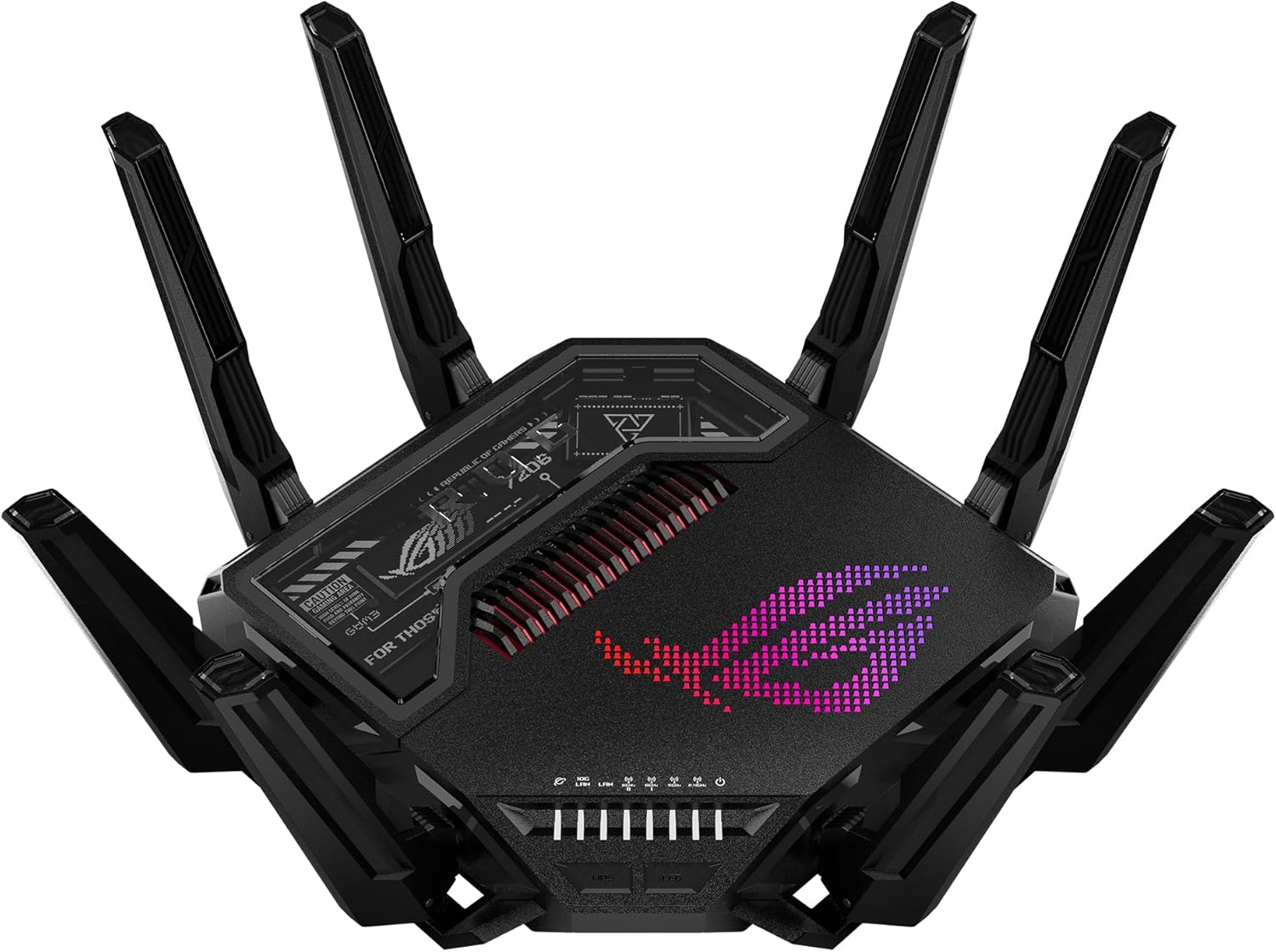
Routers with better radios handle crowded air much more gracefully.



What Won’t Fix Nighttime Wi-Fi
Avoid these common dead ends:
- Buying extenders
- Boosting transmit power
- Restarting nightly
- Changing antennas repeatedly
These don’t reduce congestion — they add to it.
What Actually Helps (In Order)
To improve nighttime Wi-Fi:
- Move critical devices to 5 or 6 GHz
- Manually select cleaner channels
- Narrow channel widths if crowded
- Reduce wireless load with Ethernet
- Upgrade router only if limitations exist
Final Thoughts
Nighttime Wi-Fi problems are a symptom of success — too many devices sharing too little air.
Once you understand that the issue is congestion, not signal strength, the solutions become obvious and effective. With proper channel selection and band management, nighttime Wi-Fi can be nearly as stable as daytime performance.
Don’t fight the crowd — work around it.
Related Products