How to Fix Wi-Fi in Long Houses and Bungalows
Long houses and bungalows are one of the hardest layouts for Wi-Fi. Even with good routers, coverage often collapses at the far end of the house, leaving bedrooms, offices, or TVs stuck with weak or unusable signal.
The reason is simple: Wi-Fi spreads outward in a bubble, not in a straight line. When that bubble has to stretch a long distance horizontally, signal strength drops fast.
This guide explains why long houses struggle with Wi-Fi and how to fix the problem properly, starting with layout fundamentals and ending with the upgrades that actually work.
Why Long Houses Are Different
In a typical multi-story house, Wi-Fi can spread vertically and horizontally. In a bungalow or long single-story house, all coverage depends on horizontal distance.
Common challenges include:
- Long hallways acting as signal tunnels
- Multiple interior walls in a straight line
- Routers placed at one extreme end of the house
- Bedrooms or offices farthest from the modem location
The result is strong Wi-Fi in one half of the house and dead zones in the other.
Step 1: Stop Starting Wi-Fi at One End
The most common mistake in long houses is placing the router at one end, usually where the modem enters the home.
This guarantees:
- Overpowered Wi-Fi near the router
- Rapid signal decay toward the far end
- Inconsistent performance room to room
If possible, move the router closer to the physical center of the house, even if that requires running a longer Ethernet cable from the modem.
Central placement alone often fixes mild dead zones.
Step 2: Elevation and Orientation Matter
In long houses, small placement improvements add up.
Best practices:
- Place the router at shelf height or higher
- Avoid placing it behind TVs or furniture
- Keep it away from dense walls when possible
Avoid floor-level placement. In a long layout, every obstacle compounds signal loss.


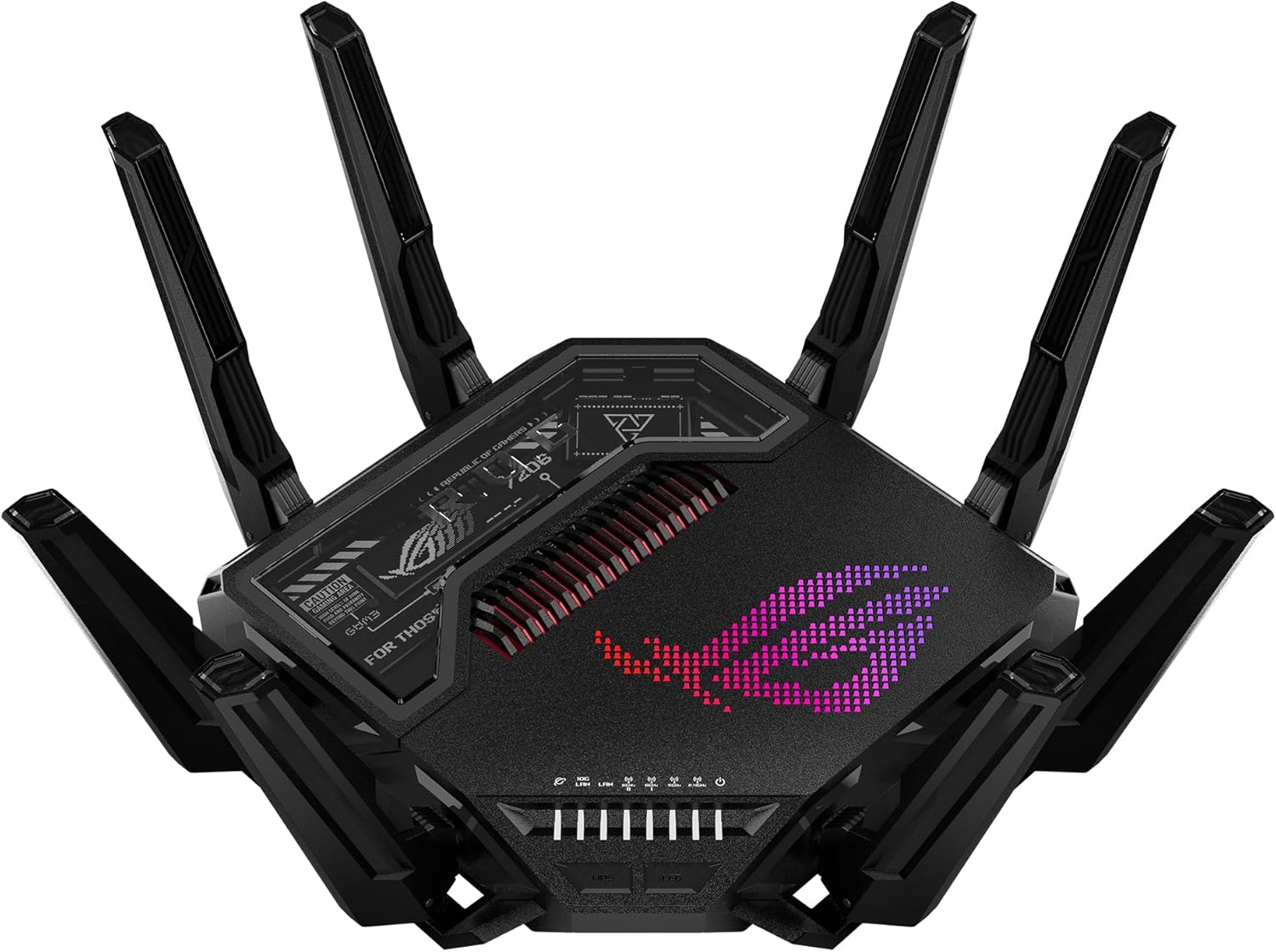
Step 3: Why Single “Powerful” Routers Usually Fail
Many people try to solve long-house Wi-Fi problems by buying a very powerful router.
This rarely works because:
- Wi-Fi power is limited by device regulations
- Client devices (phones, laptops) still have weak transmitters
- Strong routers don’t change wall physics
A powerful router can’t force signal through long distances reliably.
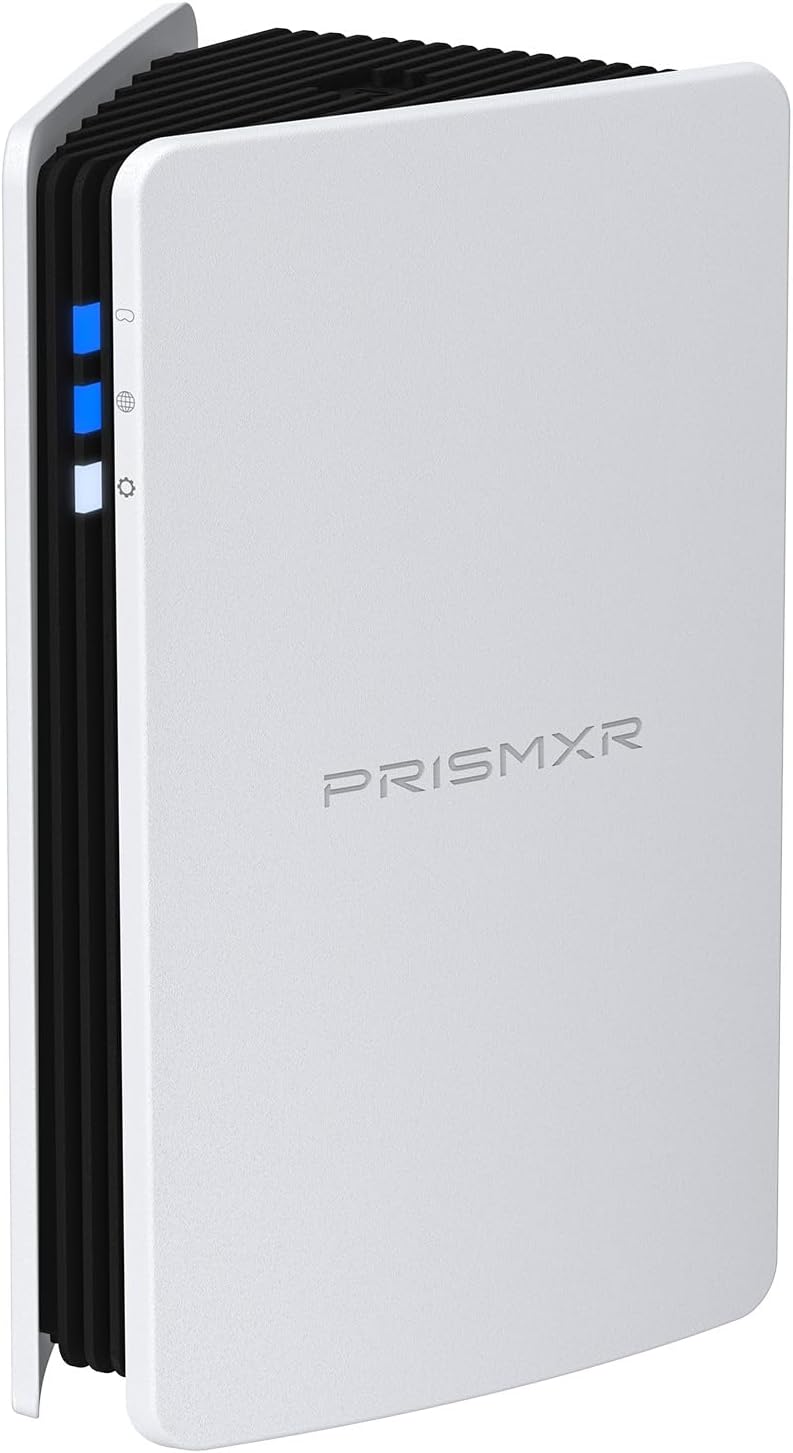
Step 4: Mesh Systems Work Well for Long Layouts
Mesh systems are particularly well suited to long houses.
Why mesh works here:
- Nodes can be spaced evenly along the length of the house
- Each node shortens the distance Wi-Fi has to travel
- Devices roam smoothly as you move room to room
Proper mesh placement for bungalows
Instead of clustering nodes:
- Place the main node near the center
- Place secondary nodes halfway toward problem areas
- Avoid placing nodes at the extreme ends unless necessary
Even spacing beats maximum distance.


Step 5: Wired Backhaul Makes a Huge Difference
If you can run Ethernet, do it.
A wired backhaul:
- Removes wireless congestion between nodes
- Preserves full speed end-to-end
- Makes performance predictable
For long houses, even one Ethernet run to a second node can transform coverage.
What helps here
- Flat Cat6 Ethernet cable
- Small unmanaged Ethernet switch
- Mesh systems that support wired backhaul
Step 6: Avoid Extenders in Long Houses
Extenders often make long-house Wi-Fi worse.
Problems include:
- Repeating already weak signals
- Cutting usable bandwidth
- Creating inconsistent roaming
If you’re dealing with distance-based dead zones, extenders are usually the wrong tool.
What Actually Helps (In Order)
For long houses and bungalows, use this order:
- Move the router toward the center of the house
- Elevate and clear the router
- Add a mesh system with evenly spaced nodes
- Use wired backhaul whenever possible
- Avoid extenders unless coverage gaps are very small
Final Thoughts
Long houses don’t need exotic solutions — they need smart layout-aware coverage.
Instead of trying to blast Wi-Fi from one end, shorten the distance Wi-Fi has to travel. Mesh systems and wired backhaul do exactly that, which is why they consistently outperform single-router setups in bungalows.
If your house is long, think in segments, not in range.
Related Products