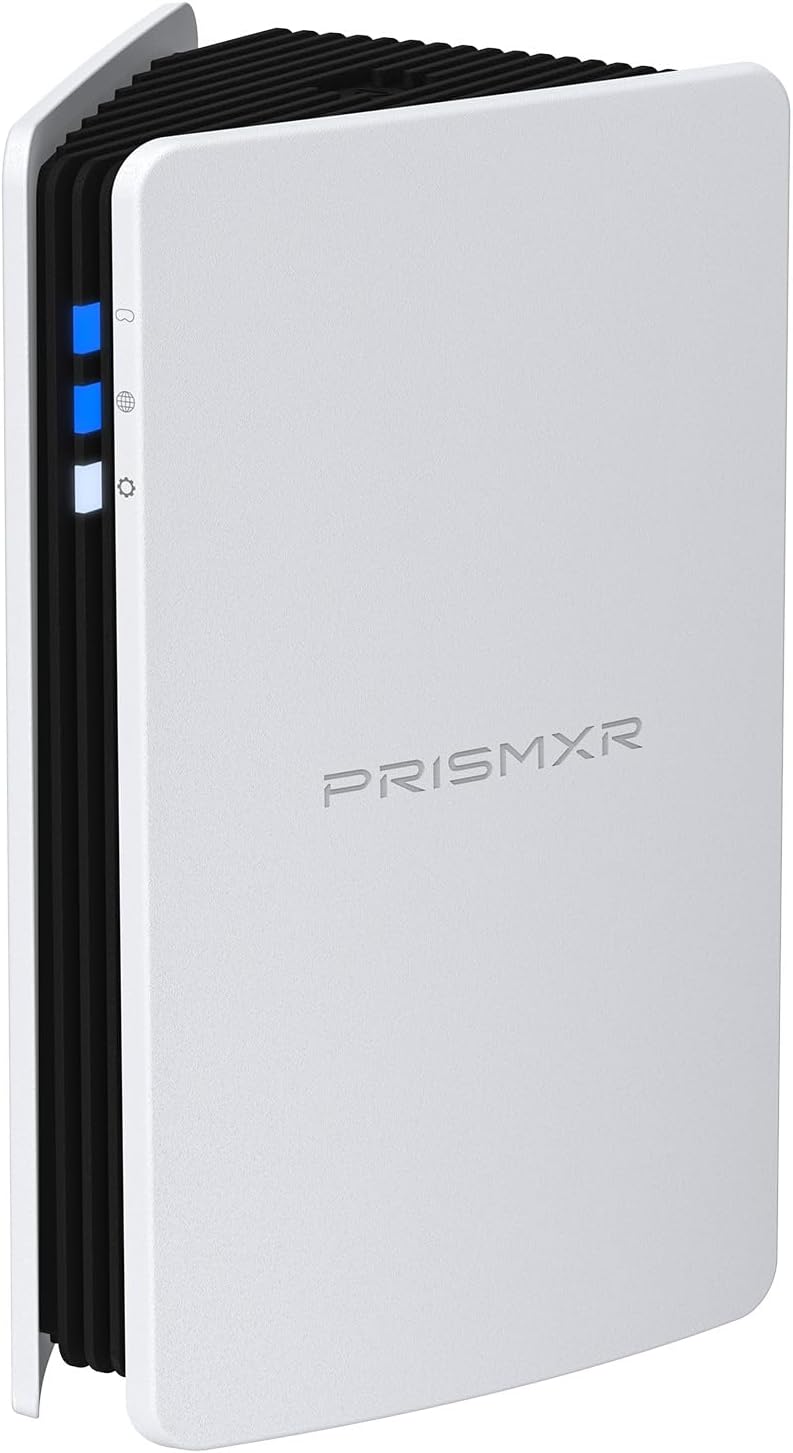
Router in the Basement: Can It Ever Work?
If your router is in the basement, you’re not alone. That’s where many internet connections enter the house, and ISPs often install equipment wherever it’s easiest — not where Wi-Fi performs best.
The problem is that basements are one of the most hostile environments for wireless signals. Concrete, rebar, plumbing, and vertical distance all work against you.
This guide answers a simple question honestly: can a router in the basement ever work — and if so, what does it take?
Why Basements Break Wi-Fi
Basements concentrate everything Wi-Fi hates:
- Concrete and foundation walls
- Rebar inside floors
- Metal ducting and pipes
- Electrical panels and wiring
On top of that, Wi-Fi has to travel upward through dense materials to reach the rest of the house.
Even powerful routers struggle here.
When a Basement Router Can Work
There are situations where a basement router can be acceptable.
It can work if:
- The basement ceiling is unfinished (open joists)
- The router is mounted high, near the ceiling
- The house is small or narrow
- Most usage happens on the main floor directly above
In these cases, Wi-Fi can leak upward with fewer obstacles.
If your basement ceiling is finished or insulated, odds drop sharply.

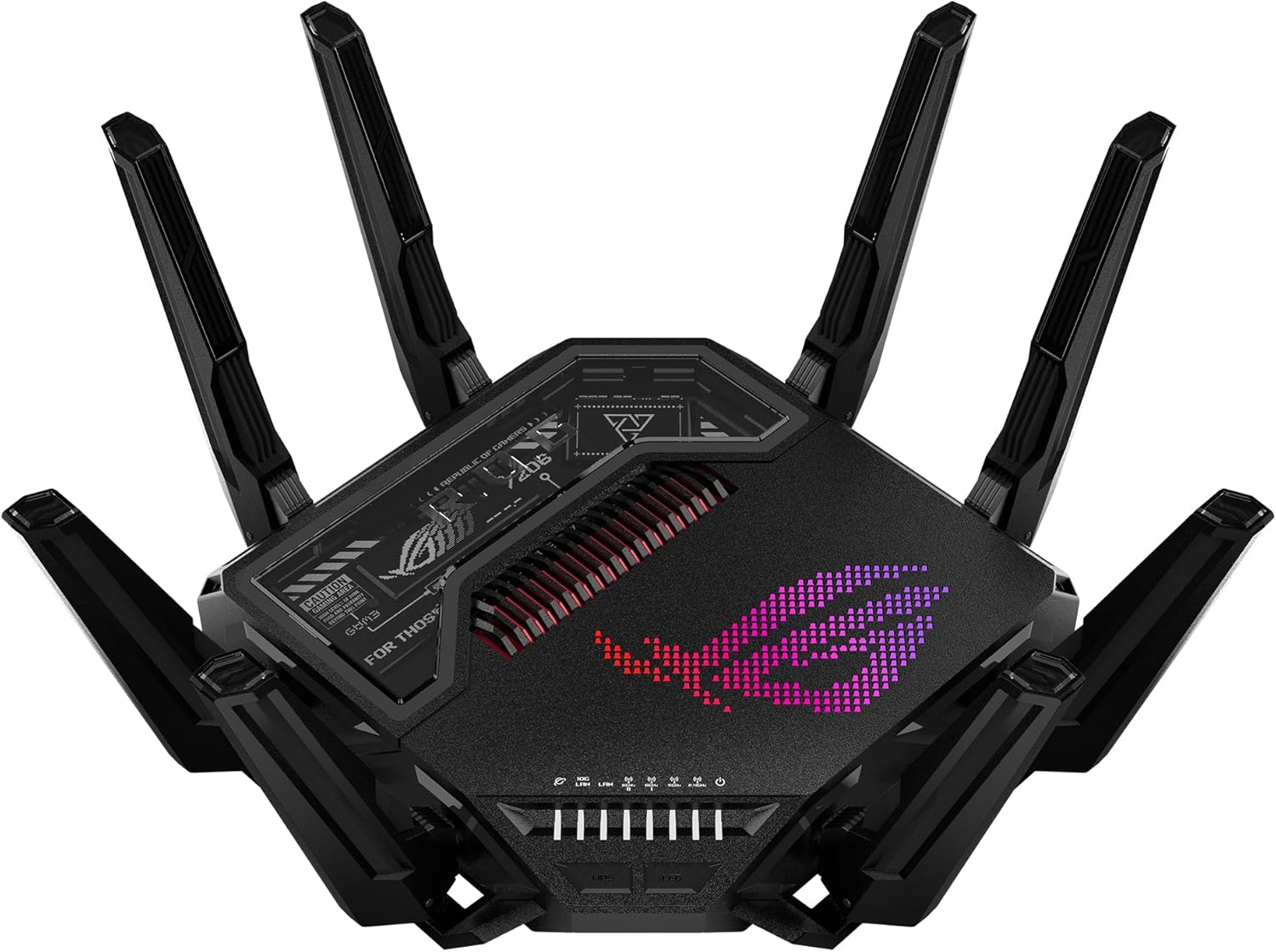


Router Height Matters More Than Location
If the router must stay in the basement, height becomes critical.
Better placement:
- Wall-mounted near the ceiling
- Directly under the main living area
- Away from electrical panels and ducting
Bad placement:
- On the basement floor
- On a workbench surrounded by tools
- Inside a utility room
Raising the router even a few feet can noticeably improve coverage upstairs.


Why “Bigger” Routers Rarely Fix This
Many people try to solve basement placement by buying a more powerful router.
This usually fails because:
- Client devices still have weak transmitters
- Wi-Fi power is regulated
- Walls don’t care how expensive your router was
Strong routers can help a little, but they don’t overcome structural physics.
The Smart Fix: Move the Wi-Fi Origin
Instead of forcing Wi-Fi upward, move the Wi-Fi source upward.
You can do this by:
- Running Ethernet from the basement modem to the main floor
- Placing the router upstairs
- Leaving the modem and ISP equipment in the basement
This single change often fixes the entire house.
Why this works
Ethernet ignores walls entirely. Once the router is upstairs, Wi-Fi only has to travel horizontally instead of vertically.
Using Access Points or Mesh From the Basement
If moving the router isn’t possible, add Wi-Fi where it’s needed.
Two effective approaches:
- Run Ethernet to an upstairs access point
- Use a mesh system with an upstairs node
In both cases:
- The basement router becomes a network hub
- Wi-Fi coverage originates where people actually use it
This approach is far more reliable than trying to blast Wi-Fi upward.
Basement-Specific Interference Problems
Basements often contain interference sources:
- Furnaces
- Water heaters
- Electrical panels
- Workshop tools
These can introduce noise that doesn’t exist upstairs.
Moving Wi-Fi radios away from these sources improves stability even if signal strength looks unchanged.
What Not to Do
These basement “fixes” rarely work:
- Adding extenders near the basement ceiling
- Stacking antennas or amplifiers
- Leaving the router in a corner
- Running multiple repeaters
They add complexity without solving the core problem.
What Actually Helps (In Order)
If your router is in the basement:
- Raise and reposition it as high as possible
- Move it away from electrical and metal equipment
- Run Ethernet upstairs and relocate Wi-Fi there
- Add access points or mesh nodes where needed
- Stop trying to overpower concrete
Final Thoughts
A router in the basement can work — but it’s almost never ideal.
The moment you move Wi-Fi generation closer to where people live, performance improves dramatically. If you’re fighting constant dead zones upstairs, the problem usually isn’t your router — it’s where it lives.
Basements are great for modems and storage. Wi-Fi belongs upstairs.
Related Products