
Fix Wi-Fi Dead Zones in Basements (Without Buying Junk)
Basements are one of the most common places for Wi-Fi to completely fall apart — and for good reason. Concrete, rebar, ducting, and distance all stack against wireless signals.
The mistake most people make is buying random extenders before understanding why the signal is dying. That almost always leads to disappointment.
This guide walks through the fixes that actually work, in the correct order, starting with zero-cost checks and ending with the upgrades that reliably solve basement dead zones.
Why Wi-Fi Dies in Basements
Wi-Fi signals hate three things, and basements usually have all of them:
- Dense materials like concrete and foundation walls
- Metal HVAC ducting and electrical runs
- Routers placed one or two floors above
Even a strong router upstairs can lose most of its usable signal by the time it reaches a basement.
Before buying anything, you need to confirm the problem is signal loss, not your internet connection itself.
Step 1: Confirm It’s a Wi-Fi Problem (Not Your ISP)
Go into the basement and run two quick checks:
- Connect to Wi-Fi and run a speed test
- Move closer to where the router is vertically located and test again
If speeds improve noticeably as you move upstairs, you’re dealing with signal loss — not an ISP issue.
If speeds are equally bad everywhere, stop here and troubleshoot the modem or service first.
Step 2: Fix Router Placement (This Alone Solves Some Basements)
Router placement matters more than brand or price.
Best practices:
- Router should be central, not tucked into a corner
- Avoid placing it near large metal objects
- Elevate it if possible (shelf height beats floor level)
If your router is already in the basement, that’s usually part of the problem. Basements are the worst place to originate Wi-Fi for the rest of the house.
What helps here
- Wall-mounting the router higher
- Relocating the router one floor up if possible
- Using a longer Ethernet cable to reposition it properly
This step costs very little and should always be done before adding hardware.
Step 3: Don’t Buy a Repeater Yet (Here’s Why)
Wi-Fi repeaters seem perfect for basements — until you realize they:
- Re-transmit a weak signal
- Cut bandwidth
- Add latency
- Often fail through concrete floors
Repeaters only work when the signal reaching them is already decent. In basements, it usually isn’t.
If you can’t place a repeater where it still sees strong Wi-Fi, it won’t help.
Step 4: The Most Reliable Fix — Wired Backhaul
If you want basement Wi-Fi that just works, this is the gold standard.
A wired backhaul means:
- Running a single Ethernet cable from the router to the basement
- Connecting that cable to either:
- A mesh node
- A dedicated access point
This bypasses concrete and interference entirely.
What actually works well
- Flat Cat6 Ethernet cable (easy to hide)
- Adhesive cable clips or raceway
- A mesh system that supports wired backhaul
Once installed, basement Wi-Fi becomes as stable as upstairs Wi-Fi.

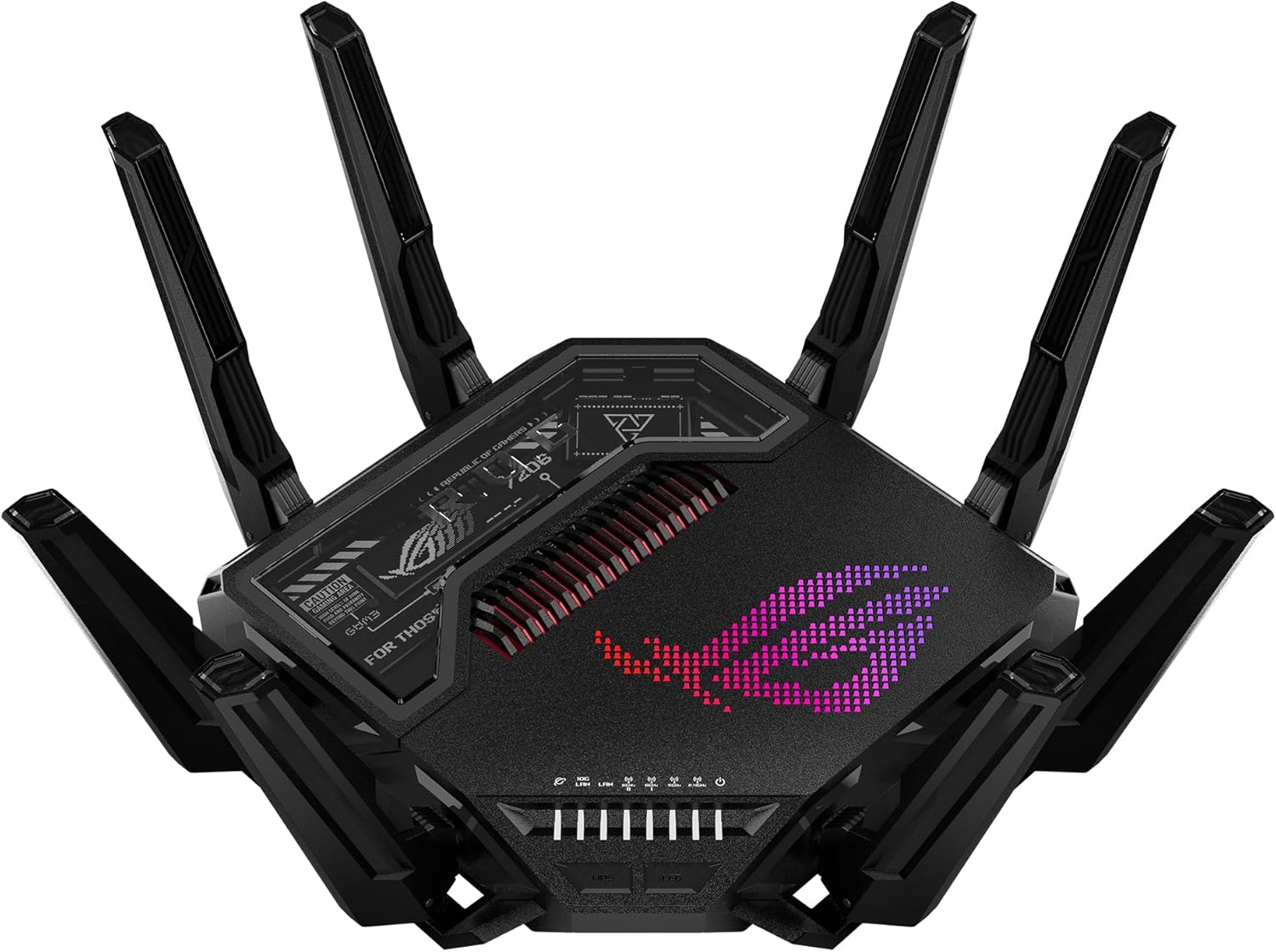


Step 5: Mesh Systems (When You Can’t Run Ethernet)
If running Ethernet truly isn’t an option, a mesh system is the next best choice.
Mesh works better than extenders because:
- Nodes coordinate instead of blindly repeating
- Better band steering
- Smarter roaming
However, placement matters:
- The basement node must be placed where it still receives some signal
- Directly under the router is often better than far away
What to look for in a mesh system
- Dedicated backhaul radio (tri-band preferred)
- Ability to add a single node later
- Wired backhaul support (for future upgrades)
Avoid buying the cheapest mesh kits — they often struggle through concrete.


Step 6: Test and Fine-Tune
After installing any fix:
- Walk the basement with your phone or laptop
- Test speed and stability in multiple spots
- Adjust node placement by a few feet at a time
Small changes in location can make a big difference underground.
What Actually Helps (In Order)
If you want a clean decision path, use this:
- Fix router placement upstairs
- Run Ethernet and add a wired access point or mesh node
- Use mesh wirelessly only if wiring is impossible
- Avoid repeaters unless signal is already strong
Final Thoughts
Basement Wi-Fi problems aren’t solved by buying random gear — they’re solved by understanding signal physics and choosing the right fix.
If you do nothing else, remember this: Wires beat walls. Every time.
Once you solve the basement, you’ll often notice the entire house gets more stable as well.
Related Products